Safe Work Environment Creation
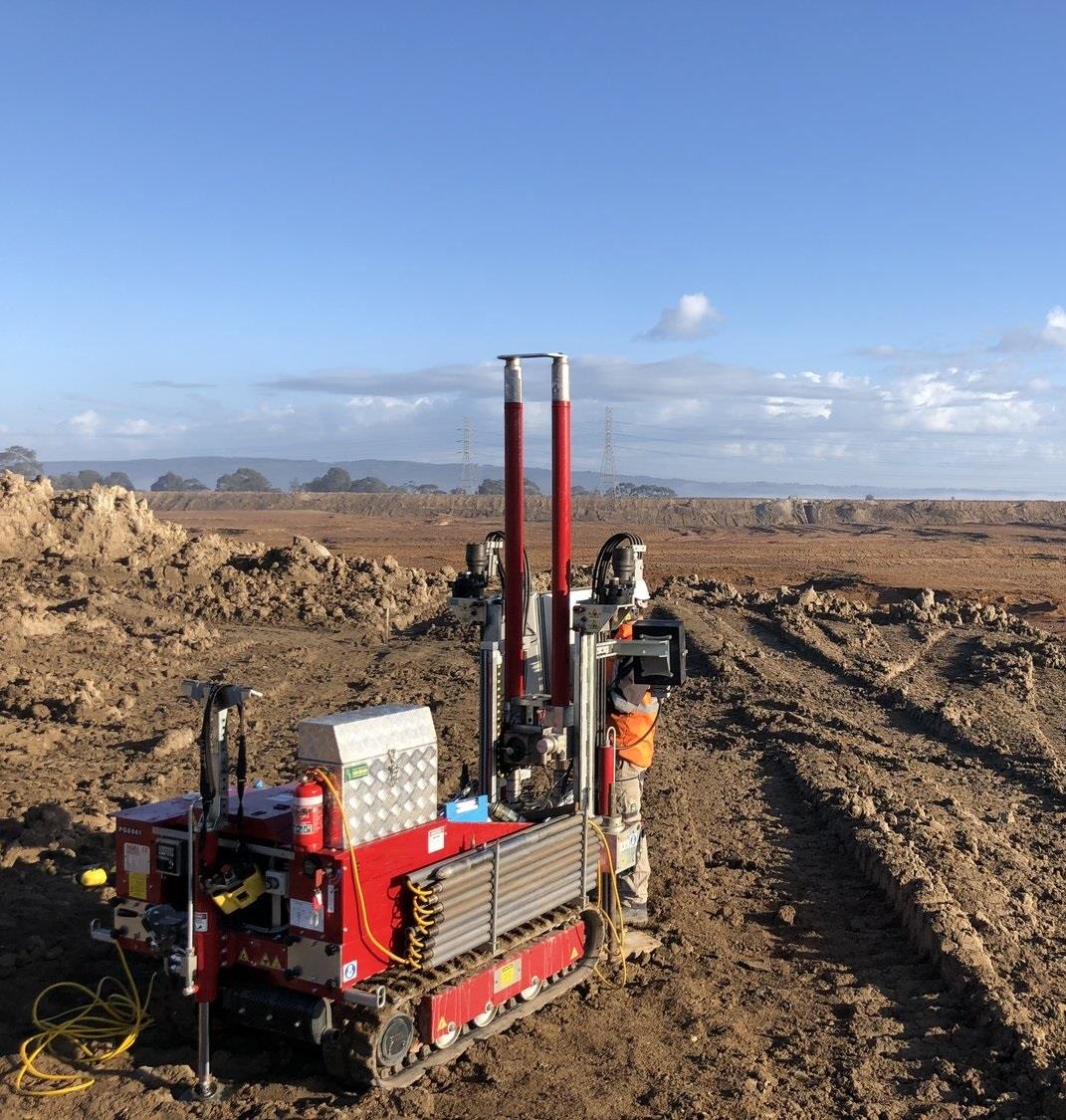
Creating a safe work environment means designing and organising a worksite so that hazards are controlled before people are exposed to them. On engineering and field projects this includes planning site layout and access routes, separating pedestrians from vehicles and plant, installing barriers and edge protection, providing adequate lighting, ventilation, shade and drinking water, and setting up welfare facilities. Work is controlled through permit-to-work systems, clear signage and housekeeping standards. Regular inspections check that conditions remain safe as the work progresses. A well-planned site reduces accidents, protects workers and the public, and helps projects run without stoppages.
Risk Assessment & Mitigation
Risk assessment is the process of identifying hazards in a task or workplace, deciding who could be harmed and how, and evaluating how likely and how severe the harm could be. Teams commonly use job safety analyses, HAZID workshops and a likelihood-severity risk matrix to rank each hazard. Mitigation then applies the hierarchy of controls: eliminate the hazard, substitute a safer method, use engineering controls, apply administrative controls such as procedures and permits, and finally provide personal protective equipment. Residual risk is recorded and reviewed when conditions change. Assessments are prepared before fieldwork such as drilling, excavation, marine operations and work at height.
Safety Policy Development
Safety policy development is the drafting of the written commitments and rules that govern how an organisation manages health and safety. A policy statement, signed by senior management, sets out the commitment to prevent injury and ill health, comply with legal requirements and consult workers. It is supported by an organisation chart of safety responsibilities and by arrangements covering risk assessment, training, contractor control, incident reporting, emergency response and monitoring. The policy is written to suit the actual activities, such as fieldwork, drilling, laboratory work or marine operations, and is communicated to all staff. It forms the foundation of a formal occupational health and safety management system.
Regular Policy Review & Updates
Regular policy review keeps safety policies and procedures accurate and effective as work, laws and risks change. Reviews are usually held at fixed intervals, often yearly, and also after a serious incident, a change in legislation, a new type of project or new equipment. The review looks at incident and near-miss trends, audit and inspection findings, worker feedback and progress against safety objectives. Outdated procedures are revised, document versions are controlled, and changes are communicated to staff through briefings and training. This cycle of plan, do, check and act follows the continual-improvement approach used in recognised management system standards such as ISO 45001.
Incident Investigation & Reporting
Incident investigation establishes what happened, why it happened and what must change to prevent it happening again. After an injury, near miss, equipment failure or environmental release, the scene is made safe and preserved, and investigators collect evidence through photographs, measurements, witness interviews and document reviews. Root cause analysis methods such as the 5 Whys, fishbone diagrams or structured techniques like ICAM look beyond the immediate cause to underlying system failures. Findings are written up with corrective and preventive actions, owners and deadlines. Reportable incidents are notified to authorities as required by law, and lessons learned are shared across teams and projects.
Emergency Response Planning
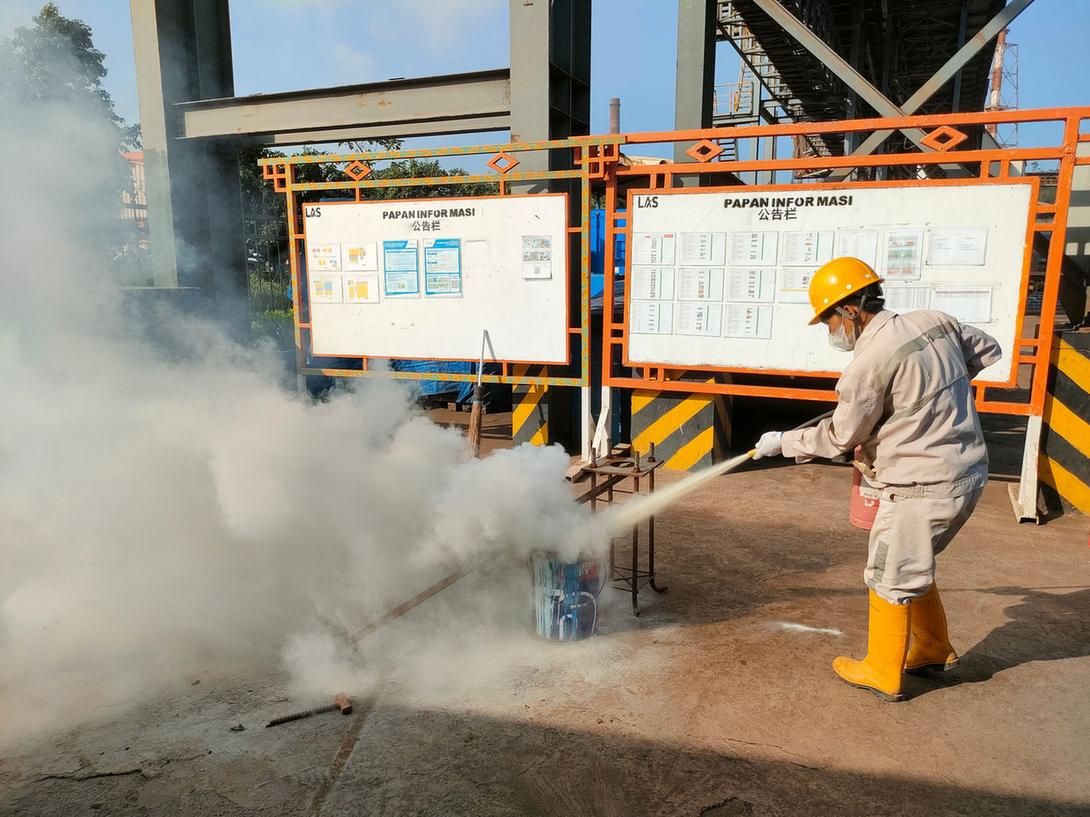
Emergency response planning prepares a workplace to protect people when something goes seriously wrong, such as a fire, serious injury, gas release, heat stroke, vehicle accident or incident at sea. The plan identifies credible emergency scenarios for each site, assigns roles, sets alarm and communication methods, and defines evacuation routes and assembly points. It lists first aid provision, emergency equipment, the nearest medical facilities and contact numbers for emergency services. For remote or offshore fieldwork it also covers medical evacuation and rescue arrangements. Plans are tested through regular drills, reviewed after each drill or real event, and briefed to everyone on site.
Other capabilities in this service
Back to Health & SafetyDiscuss your project with ATLAS GES
Tell us about your site and requirements, and our team will get back to you.
Get in Touch